


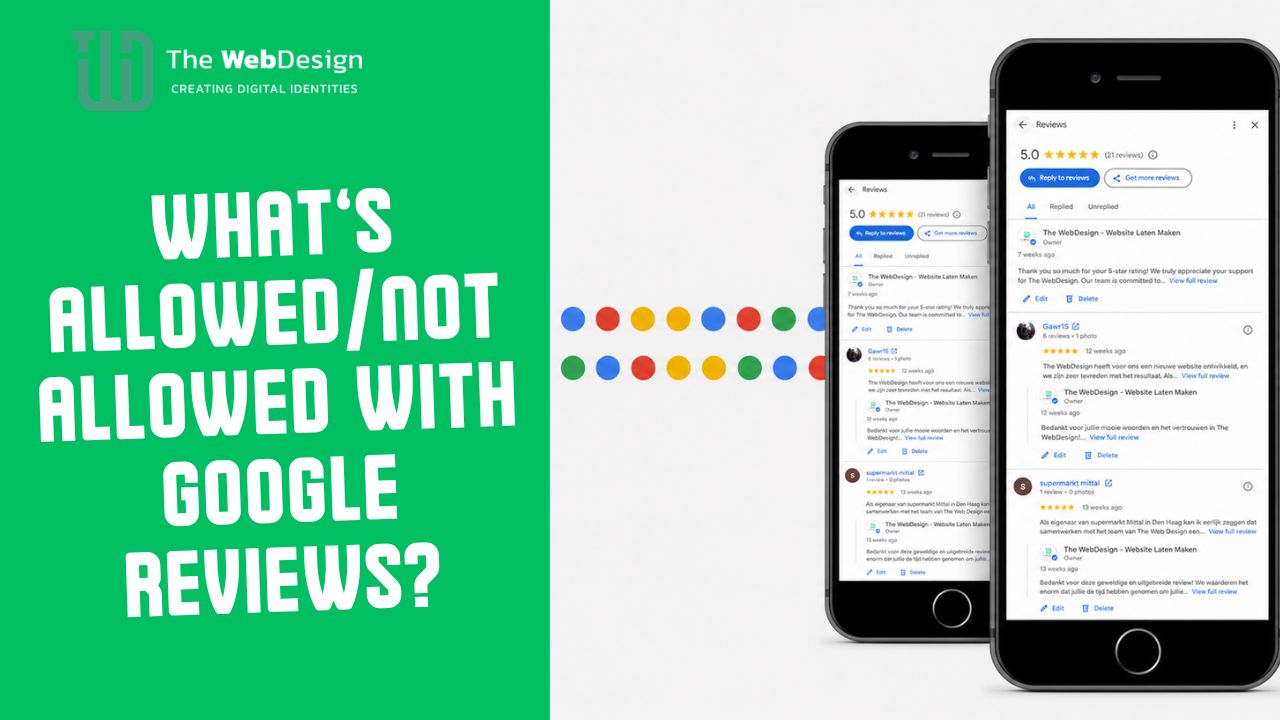
What’s Allowed/Not Allowed With Google Reviews?
Long before a prospect thinks about calling your company, Google reviews hold the keys to enhancing your visibility with potential customers, establishing your brand credibility, and influencing the decision-making process of those who are looking to make a purchase. They are not just a part of what promotes; they operate as a dynamic behavioural trust signal intrinsic to authenticity, consistency, and user experience in the Google ecosystem. A lot of business owners try to speed up their review counts without really understanding the policies on these platforms, and can unknowingly violate guidelines, damaging listing performance. The safest strategy is to boost reviews safely with the Google Review NFC Card, enabling customers to leave feedback instantly while maintaining full compliance with Google’s terms.
For consumers who care about transparency, regulatory compliance, and fair competition for businesses, there is zero tolerance for anything less than review integrity. Dutch customers are quick to spot manipulated feedback, and Google’s algorithms are even better at tracking irregular patterns. Maintaining authentic reviews safeguards long-term local SEO visibility, strengthens brand authority, and supports sustainable growth without risking penalties or the suspension of business listings.
How Google Views Reviews From a Policy Perspective
From a policy standpoint, Google treats reviews as user-generated trust signals that must reflect genuine, voluntary customer experiences. Its guidelines are designed to preserve authenticity, prevent manipulation, and ensure fairness within local search results. Reviews are evaluated not only individually but also through behavioural patterns, including frequency, source diversity, language consistency, and interaction history.
1. Reviews as User - Generated Content, Not Business Assets
Google views reviews as individual comments about the consumer experience rather than content governed by companies. They are for others, not a means to express who we are or shape our own personal brand. This categorization puts editorial power completely in the hands of consumers, as businesses cannot curate, edit, moderate, or influence reviews once they are posted.
While companies are allowed to provide access to the review process, they should not do much more. They cannot choose who leaves a review, dictate what is said, or control the timing. Any expectation - explicit or implied - compromises authenticity. If reviews are influenced by company guidance rather than individual experiences, they no longer serve as reliable signals for consumers, which is precisely what Google’s policies are intended to prevent.
2. Why Policy Enforcement Exists in the First Place
Policy enforcement is about preserving the integrity of Google’s review ecosystem. If left unchecked, reviews would quickly become vulnerable to incentives, selective solicitation, and coordinated behaviour - all of which pose problems for real-world decision-makers who depend on such reviews. Enforcement ensures that feedback genuinely reflects customer experiences rather than artificial sentiment.
Google employs algorithms to monitor patterns such as sudden spikes, repeated language, or inconsistencies in reviewer behaviour. These systems evaluate observable behaviour rather than intent. That is why compliance should be built into the review collection process instead of being considered only after an incident occurs.

What Is Clearly Allowed When Collecting Google Reviews
If the request is neutral and transparent, there cannot be bias in the outcome, so companies may choose to seek this feedback. The objective is to inspire genuine reflection, not guide customers toward a preset emotion. We always welcome service-quality- or experience-based calls to action, as long as they allow readers to reach their own conclusions. Over time, however, even subtle suggestive phrases can create behavioural patterns that feel persuasive rather than voluntary. Google values consistency across engagements, so the volume and structure of long-term interactions matter more than one-off requests. When implemented correctly, tools designed to boost reviews safely with the Google Review NFC Card provide neutral access without shaping customers’ opinions.
Providing access to the review page is perfectly acceptable. Direct links, QR codes, and NFC-enabled solutions maximise ease of use without infringing on customer choice. Leaving feedback remains optional, regardless of how customers access the page. Convenience does not constitute manipulation when there is no selective filtering or pressure.
Reminders can also be acceptable, provided they are infrequent and respectful. A single follow-up referring to a recent interaction generally remains within policy boundaries. Frequency, emotional framing, and selective targeting become problematic when they pressure customers or influence the feedback they provide.
Grey Areas That Often Confuse Businesses
Several aspects of Google’s review guidelines create uncertainty for businesses, particularly where intent and execution intersect. For example, requesting reviews is permitted, but selectively asking only satisfied customers (review gating) violates policy. Similarly, offering incentives—even indirectly - crosses compliance boundaries, even if the goal is simply to increase participation.
Another common grey area involves tone. Phrases that appear positive or encouraging can unintentionally imply a desired outcome, which may be interpreted as influence rather than neutrality. Automation also raises questions: while automated reminders are allowed, excessive frequency or emotionally persuasive language can shift a compliant system into manipulation.
1. Pre - Written Review Text and Suggested Wording
Providing customers with pre-written review text, phrase examples, or suggested wording raises the question of whether this crosses the line between providing access and influencing feedback. The more a business guides customers on what to write, the less independent that feedback becomes.
1. Shaping Opinion Through Language
Even neutral-sounding examples can subconsciously influence sentiment. Customers may mirror a company’s tone and phrasing, resulting in formulaic reviews that appear unnatural to automated review-monitoring systems.
2. Optional Guidance Is Still Influenced
Sample text labelled “optional“ does not lose its impact. Google cares about behavioural outcomes, not disclosures, and considers framed guidelines a form of chicanery.
3. Repetition Triggers Detection
Similar wording across several reviews sets up red flags. The systems are designed to look for repeated patterns of language that suggest a coordinated effort.
4. Safer Alternative: Open Prompts
More general prompts, like asking customers to “share their experience,” maintain authenticity and don’t skew narrative or sentiment.

2. Staff or Family Reviews
Reviews written by employees, former staff members, or close family members create inherent conflicts of interest. Even when their experiences are genuine, these relationships compromise the independence Google expects from reviewers.
1. Conflict of Interest Overrides Honesty
Disclosure does not eliminate bias. Google’s policies focus on the independence of a review, not merely on whether the relationship has been disclosed.
2. Stakeholders Are Not Consumers
Employees and close relatives are considered stakeholders rather than independent customers, regardless of how genuine their experiences may be.
3. Account History and Behaviour Patterns
Google may evaluate reviewer behaviour over time. Connections between accounts, locations, and activity patterns can indicate that reviews do not come from independent customers.
4. Long-Term Risk to Profile Credibility
Even a small number of insider reviews can weaken trust signals and attract broader scrutiny of a Google Business Profile.
3. Internal Testing and Practice Reviews
Internal testing may seem harmless, but creating or deleting test reviews can produce activity patterns that automated systems may flag as suspicious, even if the content is never published.
1. Irregular Review Activity Signals
Unusual review submission and deletion patterns may be monitored. To automated detection systems, these behaviours can resemble attempts to manipulate reviews.
2. Unpublished Does Not Mean Undetected
Google may track actions at the account and profile levels. Deleted or hidden activity may therefore still influence how the system assesses trust and authenticity.
3. Testing Should Avoid Review Submission
Testing should confirm that access methods work correctly—such as direct links, QR-code scans, or NFC taps—without completing or submitting a review.
4. Separate Testing From Live Profiles
Using staging environments or non-public testing flows reduces risk and helps prevent unintended policy violations on a live Google Business Profile.
Using Review Links, QR Codes, and NFC - What’s Allowed
Google lets businesses use review links, QR codes, and NFC-enabled tools because none of these access methods affect what a customer writes. They simply make it easier for customers who have already chosen to provide feedback. Whether a customer taps an NFC card, scans a QR code on a table stand, or follows a direct link, leaving a review remains entirely voluntary. These tools serve as neutral entry points—not persuaders. They improve accessibility without influencing opinions, which is why they are permitted when used properly.
Problems arise when access tools are presented in ways that create pressure or expectations. Framing language, emotionally persuasive prompts, or combining review access with rewards can turn passive availability into active manipulation. Placement also matters: review requests made during moments of dependency, urgency, or discomfort may feel coercive even without explicit pressure. Google’s policies distinguish between passive access, which respects customer autonomy, and active pressure, which attempts to influence behaviour. When businesses use access tools as silent facilitators rather than persuasive prompts, they can maintain compliance and preserve customer trust.


Responding to Reviews the Right Way
Responding to reviews is not a courtesy exercise; it is a reputation management strategy. Google views owner responses as active engagement signals that demonstrate accountability, transparency, and customer care. Timely, professional replies—whether to positive or negative feedback—reinforce trust and contribute to local credibility.
1. Responding to Positive Reviews
It should acknowledge positive reviews while keeping enthusiasm measured. A professional response recognises the customer and their experience with your product without unnecessarily thanking a manufacturer or introducing unrelated information. When gratitude feels natural and appropriate, it strengthens trust and shows appreciation without overshadowing the customer’s voice.
Overly aggressive or sales-focused replies can weaken credibility. Canned responses may feel like advertisements and shift attention away from the reviewer, making it appear that feedback is being used for promotion. Keeping the response human makes it more authentic and better reflects the spirit of the original review.
2. Handling Negative Reviews Without Escalation
Negative feedback should be treated as an opportunity to demonstrate accountability, not as an incident to defend. Calm, clear responses show that concerns are recognised and handled with professionalism and maturity. Offering to continue the discussion privately demonstrates a genuine effort to resolve the issue without creating a public disagreement.
Escalating the conversation usually reflects poorly on the business. Defensive language, explanations that minimise the customer’s experience, or public arguments can intensify negativity and attract unwanted attention. A balanced response reassures potential customers that concerns are taken seriously, even when the business may disagree with certain details.
3. What Not to Say in Public Replies
The reviewer’s motives, accuracy, or feelings should never be questioned in a public response. Suggesting that someone is dishonest or acting with improper intentions creates distrust and may violate platform expectations.
Sensitive information - including passwords, login credentials, personally identifiable information, and specific transaction details - must never be disclosed publicly. Requests to update or delete a review, as well as subtle pressure to change a rating, should also be avoided. Google may assess response behaviour as part of a business’s overall compliance. Maintaining professional restraint helps protect both your reputation and local search visibility.
Reporting, Flagging, and Removing Reviews
Google allows businesses to report reviews that violate its content policies, but removal is not based on disagreement or negative sentiment. Reviews can be flagged if they contain spam, fake content, conflicts of interest, hate speech, harassment, or irrelevant material unrelated to the customer experience. The reporting process is reviewed algorithmically and, in some cases, manually.
1. When a Review Can Be Reported
Reviews may be reported only if they are clearly in violation of Google’s content policies. The platform centres around rule-based assessment as opposed to emotional and reputational response. Policy and evidence align with outcomes, not the amount of negative criticism.
Spam and Promotional Content
Any review made with the sole intent of promoting/endorsing another company, product or service can be classified as spam. This includes posting the same arguments multiple times, pasting text into the comments that is already on a profile, or posts that are clearly part of an ongoing vendetta against a business.
Abusive, Offensive, or Hate-Based Language
The platform's rules prohibit content that includes threats, harassment, hate speech or explicit language. These are reviews and comments from an FTP perspective, not from the intent of the reviewer or the business's response.
Impersonation and Fake Identities
Fake reviews or those impersonating clients, employees, or public personalities can be reported. When considering impersonation claims, Google takes into account the history and behaviour of an account in addition to the presence or lack of authenticity signals.
2. Why Most Removal Requests Fail
A large portion of removal requests are rejected because they are driven by dissatisfaction rather than policy breaches. Google applies a strict interpretation, requiring clear and verifiable violations.
Criticism That Reflects a Real Experience
Negative experiences, even when harshly worded, are allowed if they describe an actual interaction. Discomfort does not qualify as a violation under Google’s rules.
Lack of Supporting Evidence
Claims of falsehood must be supported by verifiable facts. Without documentation or clear contradictions, Google defaults to protecting user-generated content.
Emotional or Defensive Reporting
Reports based on frustration, tone, or perceived unfairness rarely succeed. Google does not consider emotional context when reviewing policy compliance.
3. The Difference Between Disagreement and Violation
Understanding this distinction prevents wasted time and misplaced expectations. Google protects opinion, even when it conflicts with a business’s perspective.
Subjective Opinions vs Policy Breaches
Statements about service quality, attitude, or value are subjective and allowed. Only content that violates specific guidelines qualifies for removal.
Tone and Language Without Rule Violations
A review may sound unfair or exaggerated, yet remain compliant if it avoids prohibited content. Tone alone is not grounds for action.
Accuracy Disputes Without Proof
Disagreements over facts must be demonstrably false to qualify as violations. Without clear evidence, Google treats such disputes as differences in perspective.

Consequences of Ignoring Google Review Policies
When businesses ignore Google’s review guidelines, penalties are rarely immediate or visibly dramatic. Enforcement tends to be algorithmic, gradual, and largely invisible to the public. Reviews may be filtered, ranking signals may weaken, and local visibility can decline without warning. These cumulative adjustments often cause more serious long-term damage than the loss of any single review. Implementing systems designed to boost reviews safely with the Google Review NFC Card helps ensure that growth remains compliant, structured, and resistant to algorithmic suppression.
1. Review Removal and Rating Adjustments
Non-compliant reviews might be removed in bulk (and not one at a time) by Google automatically when they detect policy violations. This results in sudden review number drops and prominent rating fluctuations that happen out of the blue. Such actions frequently produce confusion among prospective customers and may significantly reduce the trust level in the remaining reviews' authenticity.
2. Long-Term Trust and Visibility Effects
Multiple or repeated offences weaken the trust signals Google considers in its assessment of business profiles. This can eventually decrease visibility in the local packs, reduce map rankings, and prevent exposure in competitive search results. Algorithmic trust takes a long time to rebuild, even with corrective action.
3. Increased Scrutiny of Future Reviews
As soon as some profile evinces signs of fuckery, subsequent reviews may be scrutinized more closely. Even authentic customer feedback can be postponed, filtered, or subjected to even-suppressed examination, slowing organic review escalation and lessening the influence of real positive experiences.
4. Damage to Customer Confidence
Customers observe when reviews don’t all line up, sudden differences in ratings, or lack of feedback. To some extent, such signals can simply call the transparency and trustworthiness into question- trust-driven markets included. Trust issues do more damage than search visibility alone.
5. Limited Recovery Even After Compliance
Righting the ship on reviews doesn't mean you'll bounce right back. Google’s algorithms factor behaviour over time into visibility and credibility – so history matters. Companies can obey all the rules, and they will still be subject to performance lags compared to competitors who have always complied.
Altogether, these implications illustrate why fulfilling one’s commitment to review should be considered a standard organizational practice, rather than a tactical approach.
Best-Practice Principles for Staying Compliant
- Neutrality over persuasion: Keeping the review request free from suggestive language and emotional cues allows customers to share their genuine experiences. This protects credibility and ensures feedback reflects actual service quality rather than guided sentiment.
- Access over asking: Providing a simple, frictionless way to reach the review page gives customers control. When they respond on their own terms, participation feels voluntary and trustworthy.
- Consistency over campaigns: Review collection works best as a stable, ongoing process rather than a short-term campaign. Regular, compliant behaviour supports long-term reputation growth and signals reliability to customers and search platforms.
Compliance is strongest when reviews are treated as a feedback system instead of a promotional tool. Businesses that view reviews as insights rather than marketing assets build reputations that remain credible, resilient, and trusted over time.
How Dutch Consumer Expectations Align With Google’s Rules
Dutch consumers place strong emphasis on transparency, fairness, and regulatory compliance. Purchasing decisions are often influenced by independently verified feedback rather than promotional claims. This cultural preference aligns closely with Google’s review framework, which prioritises authenticity, neutrality, and user control.
1. Preference for Transparency and Directness
Dutch consumers are highly attentive to honesty, structure, and factual clarity when interacting with businesses. They expect information to be presented clearly, without exaggeration or hidden intent. This mindset naturally extends to online reviews. Feedback that appears overly curated, selectively gathered, or emotionally framed tends to raise suspicion rather than confidence.
Because transparency is culturally embedded in decision-making, review practices that rely on neutrality resonate more strongly. Customers are more comfortable sharing feedback when they sense there is no preferred outcome. This aligns closely with Google’s emphasis on unbiased, user-generated content, where authenticity carries more weight than sentiment. Businesses that respect this expectation often experience steadier review growth and stronger long-term trust.
2. Why Subtlety Outperforms Pressure
Subtle access to review opportunities fits well with Dutch behavioural norms. Customers respond better when they are given the option to leave feedback rather than being pushed toward it. A simple, well-timed prompt or passive access point allows individuals to decide on their own terms, which preserves the credibility of the interaction.
Pressure-based tactics - such as repeated reminders, emotional cues, or implied expectations - tend to produce resistance. Instead of encouraging participation, they create discomfort and reduce willingness to engage. Google’s rules reflect this same principle by discouraging influence and promoting autonomy. When businesses adopt subtle, respectful review systems, they align both with platform compliance and with how Dutch consumers naturally prefer to engage.
Frequently Asked Questions
Yes, businesses may ask customers for feedback when requests are neutral, respectful, and not outcome-driven. The request should focus on experience rather than positivity and avoid any language that suggests expectation or obligation.
Conclusion - Compliance Is the Foundation of Review Trust
Google reviews deliver their strongest commercial impact only when they remain free from incentives, pressure, or selective targeting. Authentic feedback strengthens credibility in ways no promotional tactic can replicate. Systems designed to boost reviews safely with the Google Review NFC Card provide frictionless access while preserving customer independence and policy compliance. This distinction is critical: access should simplify participation, not influence sentiment. Compliance protects more than a business listing - it safeguards organic visibility, brand equity, and the confidence prospective customers place in peer validation.
Businesses that prioritise neutrality develop review ecosystems that scale predictably and sustainably. Consistency in tone, process, and transparency sends clear trust signals to both consumers and Google’s ranking systems. Over time, this behavioural stability reinforces local search authority and conversion reliability. Trust built through compliant review-acquisition practices is structurally durable; it does not deteriorate when algorithms change, enforcement tightens, or competitive pressure increases. Sustainable review growth is not about acceleration—it is about controlled, policy-aligned momentum.
For organisations that want to move beyond uncertainty and build ethical, compliant review systems aligned with genuine customer behaviour, The WebDesign provides structured, future-ready solutions. With extensive experience in web design, development, and smart digital systems, The WebDesign helps businesses implement review flows that respect platform rules while supporting sustainable growth, transparency, and lasting trust.

Search
Categories
Recent Posts
- 20 Dec, 2024 Building Brand Loyalty: How Custom Mobile Apps Drive Business Success
- 17 Jan, 2025 Designing An Attractive and Truly User-Friendly Website!
- 23 Dec, 2024 Driving Sales Through Online Channels: Transforming Your Business with a Webshop
- 09 Sep, 2024 Enhancing Customer Engagement: The Business Benefits of Mobile App Development
- 23 Dec, 2024 Expanding Market Reach: The Strategic Value of an E-commerce Webshop
- 10 Mar, 2026 Google Review Card: NFC vs QR – What Works Better?
- 01 May, 2026 Google Tools for Websites: A Complete, Detailed Guide for Website Owners, Developers, and Marketers
- 09 Sep, 2024 Harnessing Professional Web Design: Elevating Your Business’s Online Presence
- 13 Jun, 2026 Headless CMS vs Traditional CMS: Which Should Your Business Choose?
- 09 Sep, 2024 How an Online Delivery System Empowers Business Operations
- 07 Aug, 2026 How can a Dutch company get cited in ChatGPT, Gemini, Perplexity, and Copilot answers?
- 18 Sep, 2026 How can I choose a reliable web development company in the Netherlands?
- 07 Sep, 2026 How do I improve local visibility in ChatGPT and Microsoft Copilot, not just Google Maps?
- 20 Jan, 2025 How To Build A Custom Website For Your Business?
- 31 Aug, 2026 How to Choose a Digital Marketing Agency in the Netherlands: Services, Costs and a Practical Checklist
- 20 Jan, 2025 How To Create A Professional Website For Building Online Presence?
- 02 Aug, 2024 How to Plan a Perfect Digital Market
- 25 Jun, 2026 How to Work With a Web Design Agency to Grow Your Online Presence?
- 23 Dec, 2024 Investing in Website Development: Enhancing Customer Engagement and Conversion Rates
- 23 Dec, 2024 Meeting Customer Expectations: The Competitive Edge of an Online Delivery System
- 23 Dec, 2024 Optimizing Logistics: Enhancing Business Agility with an Online Delivery System
- 17 Jan, 2025 Optimizing Your Website with a Website Builder in Amsterdam
- 20 Jul, 2026 Progressive Web Apps (PWA) vs Native Apps
- 22 Apr, 2026 SEO vs GEO: The Future of Search in the Age of AI
- 03 Apr, 2026 The 10 Biggest Mistakes When Building a Website – and How to Avoid Them
- 27 Dec, 2025 The Cost of Getting a Website Made: What You Can Expect in the Netherlands?
- 09 Sep, 2024 The Essential Role of Online Marketing for Businesses
- 20 Dec, 2024 The Power of Digital Storytelling: Leveraging Online Marketing to Connect with Customers
- 23 Dec, 2024 The Strategic Advantage of a Well-Designed Website for Business Growth
- 23 Dec, 2024 Unlocking Market Potential: How Strategic Digital Marketing Propels Business Success
- 09 Sep, 2024 Unlocking Revenue Streams: Establishing an Online Webshop for Your Business
- 06 Jul, 2026 Web Performance Optimisation: Core Web Vitals
- 22 Oct, 2026 What Happens After Your Website Goes Live? A Guide to Aftercare and Support
- 03 Aug, 2026 What is an E-commerce Website and How Does It Work?
- 27 Mar, 2026 What is sitemap.xml and Why Is It Important for SEO?
- 15 Apr, 2026 What Is the Difference Between Shopify and WordPress?
- 15 Jan, 2026 What Makes a Website Design User-Friendly?
- 30 Jul, 2026 What’s Allowed/Not Allowed With Google Reviews?
- 21 Mar, 2026 What’s Involved in Having a Website Created: A Step – by – Step Guide
- 27 Feb, 2026 What’s Involved in Having a Website Created: A Step-by-Step Guide
- 21 Jan, 2025 Why Consider WordPress for Website Builder?
- 21 Jan, 2025 Why Do Businesses Hire WordPress Website Builder Companies?
- 20 Jan, 2025 Why Does Your Business Need a Local Web Design Agency?
- 12 Aug, 2026 Why Is My WordPress Website Slow and How Can I Fix It?
- 11 Dec, 2025 Why You Should Have a Professional Website Built in 2026: What’s Changing?