


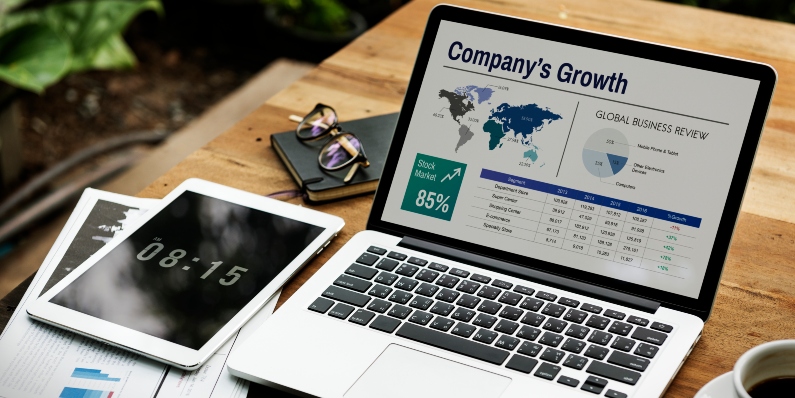
How to Plan a Perfect Digital Market
Today, almost everyone is familiar with digital or internet marketing. However, few people understand the right organic approach to generating business leads. Digital marketing is essential because it increases brand awareness, generates more leads, and delivers a higher return on investment. These benefits help your business attract potential customers easily and cost-effectively.
What Is Digital Marketing?
Digital marketing is one of the most effective and powerful ways to generate business leads and website traffic through paid and unpaid channels. Internet marketing focuses on connecting businesses with a targeted audience and improving their online presence within a desired geographic location. In other words, digital marketing is a form of marketing that promotes your business online. Digital marketing combines two concepts: digital and marketing. Digital refers to internet-based technologies, while marketing focuses on responding to current market conditions and the industry in which a company operates. Digital marketing allows you to introduce and promote your products, brand, and services online.
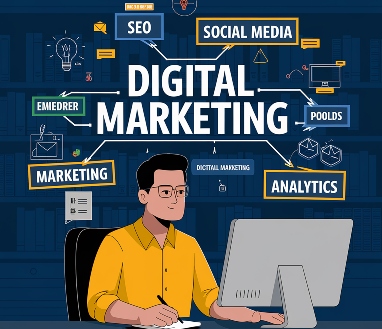
Structure of a Marketing Plan
When introducing digital marketing into your business, your marketing plan should include the following elements:
- Market research and competitor analysis
- Channel strategies
- Implementation
- Objectives and goals
- Performance measurement
With the help of different digital marketing services, you can generate business leads and website traffic through the following internet marketing methods:
- Search Engine Optimisation (SEO): Search engine optimisation is the process of improving your website to increase its visibility in search results and attract relevant traffic and potential customers. Our professional SEO team helps businesses improve their rankings and reach people searching for their services on search engines such as Google and Bing.
- Social Media Marketing: Social media provides businesses with an effective way to promote their products, services and content while building brand awareness. Platforms such as Facebook, Instagram, LinkedIn, Pinterest and X can help you communicate with your audience, increase engagement and generate relevant website traffic and leads.
- Marketing Automation: Marketing automation uses software and digital tools to manage repetitive marketing activities. These activities can include sending emails, publishing social media content, segmenting audiences, nurturing leads and responding to specific actions taken on a website.
- Email Marketing: Email marketing is a form of direct marketing that allows businesses to communicate with potential and existing customers. It can be used to share useful content, company updates, discounts, product information and event announcements while supporting customer retention and lead nurturing.
- Online Press Releases: Online press releases can help businesses communicate important news and potentially gain relevant online coverage. The appropriate press release strategy depends on the company, announcement and intended audience. When used responsibly, press releases can support brand visibility and public relations.
- Pay-per-click (PPC): PPC is an advertising model in which a business pays when someone clicks its advertisement. Platforms such as Google Ads and Microsoft Advertising allow companies to reach people searching for relevant products or services. Effective PPC management requires accurate targeting, suitable landing pages, budget control and reliable conversion tracking.
- Inbound Marketing: Inbound marketing uses helpful content and relevant online experiences to attract people who are already researching a topic, product or service. This approach can make it easier for potential customers to discover a business, understand its offer and progress through the buying journey.
Key Benefits of Digital Marketing
Compared with traditional offline marketing, digital marketing provides a flexible and measurable way to promote your business. It can help you reach relevant audiences, attract website traffic and generate potential customer enquiries. Digital marketing is not only useful for promoting products and services but also for understanding your target audience and responding to its needs.
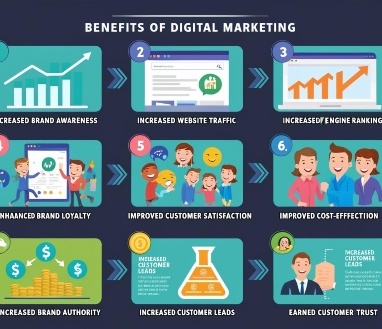
The Ten Key Benefits of Digital Marketing Are:
- Increased brand awareness
- More inbound traffic
- Improved search engine rankings
- Stronger brand loyalty
- Better customer satisfaction
- Cost-effective promotion
- Greater brand authority
- More potential customer leads
- More relevant website traffic
- Increased customer trust
Veelgestelde vragen over digitale marketing
You can manage simple activities yourself, such as publishing social media posts, responding to reviews and writing basic content. For technical SEO, advertising management, conversion tracking and a comprehensive strategy, professional support can save time and help prevent costly mistakes.
Conclusion: Planning an Effective Digital Marketing Strategy
A successful digital marketing plan does not begin by randomly using as many channels as possible. It starts with clear business objectives, an understanding of the target audience and a realistic assessment of current online performance. You can then determine which combination of SEO, social media, email marketing, PPC, content marketing and automation is best suited to your business.
Every marketing activity should have a clear purpose and make a measurable contribution to visibility, relevant website traffic, qualified leads, sales or customer retention. Review the results regularly and look beyond clicks and impressions alone. Lead quality, conversion rates, customer acquisition costs and final revenue provide a clearer picture of the actual return.
Digital marketing is not a one-time campaign but an ongoing process of research, implementation, measurement and improvement. By starting with focused activities, collecting reliable data and expanding successful initiatives, you can build a sustainable online presence.
Do you need help planning or implementing your digital marketing strategy? The Webdesign can support you with search engine optimisation, social media, online advertising, content, website optimisation and results-focused digital marketing.

Search
Categories
Recent Posts
-
20 Dec, 2024 Building Brand Loyalty: How Custom Mobile Apps Drive Business Success
-
17 Jan, 2025 Designing An Attractive and Truly User-Friendly Website!
-
23 Dec, 2024 Driving Sales Through Online Channels: Transforming Your Business with a Webshop
-
09 Sep, 2024 Enhancing Customer Engagement: The Business Benefits of Mobile App Development
-
23 Dec, 2024 Expanding Market Reach: The Strategic Value of an E-commerce Webshop
-
10 Mar, 2026 Google Review Card: NFC vs QR – What Works Better?
-
01 May, 2026 Google Tools for Websites: A Complete, Detailed Guide for Website Owners, Developers, and Marketers
-
09 Sep, 2024 Harnessing Professional Web Design: Elevating Your Business’s Online Presence
-
13 Jun, 2026 Headless CMS vs Traditional CMS: Which Should Your Business Choose?
-
09 Sep, 2024 How an Online Delivery System Empowers Business Operations
-
07 Aug, 2026 How can a Dutch company get cited in ChatGPT, Gemini, Perplexity, and Copilot answers?
-
18 Sep, 2026 How can I choose a reliable web development company in the Netherlands?
-
07 Sep, 2026 How do I improve local visibility in ChatGPT and Microsoft Copilot, not just Google Maps?
-
20 Jan, 2025 How To Build A Custom Website For Your Business?
-
31 Aug, 2026 How to Choose a Digital Marketing Agency in the Netherlands: Services, Costs and a Practical Checklist
-
20 Jan, 2025 How To Create A Professional Website For Building Online Presence?
02 Aug, 2024 How to Plan a Perfect Digital Market
-
25 Jun, 2026 How to Work With a Web Design Agency to Grow Your Online Presence?
-
23 Dec, 2024 Investing in Website Development: Enhancing Customer Engagement and Conversion Rates
-
23 Dec, 2024 Meeting Customer Expectations: The Competitive Edge of an Online Delivery System
-
23 Dec, 2024 Optimizing Logistics: Enhancing Business Agility with an Online Delivery System
-
17 Jan, 2025 Optimizing Your Website with a Website Builder in Amsterdam
-
20 Jul, 2026 Progressive Web Apps (PWA) vs Native Apps
-
22 Apr, 2026 SEO vs GEO: The Future of Search in the Age of AI
-
03 Apr, 2026 The 10 Biggest Mistakes When Building a Website – and How to Avoid Them
-
27 Dec, 2025 The Cost of Getting a Website Made: What You Can Expect in the Netherlands?
-
09 Sep, 2024 The Essential Role of Online Marketing for Businesses
-
20 Dec, 2024 The Power of Digital Storytelling: Leveraging Online Marketing to Connect with Customers
-
23 Dec, 2024 The Strategic Advantage of a Well-Designed Website for Business Growth
-
23 Dec, 2024 Unlocking Market Potential: How Strategic Digital Marketing Propels Business Success
-
09 Sep, 2024 Unlocking Revenue Streams: Establishing an Online Webshop for Your Business
-
06 Jul, 2026 Web Performance Optimisation: Core Web Vitals
-
03 Aug, 2026 What is an E-commerce Website and How Does It Work?
-
27 Mar, 2026 What is sitemap.xml and Why Is It Important for SEO?
-
15 Apr, 2026 What Is the Difference Between Shopify and WordPress?
-
15 Jan, 2026 What Makes a Website Design User-Friendly?
-
30 Jul, 2026 What’s Allowed/Not Allowed With Google Reviews?
-
21 Mar, 2026 What’s Involved in Having a Website Created: A Step – by – Step Guide
-
27 Feb, 2026 What’s Involved in Having a Website Created: A Step-by-Step Guide
-
21 Jan, 2025 Why Consider WordPress for Website Builder?
-
21 Jan, 2025 Why Do Businesses Hire WordPress Website Builder Companies?
-
20 Jan, 2025 Why Does Your Business Need a Local Web Design Agency?
-
12 Aug, 2026 Why Is My WordPress Website Slow and How Can I Fix It?
-
11 Dec, 2025 Why You Should Have a Professional Website Built in 2026: What’s Changing?