

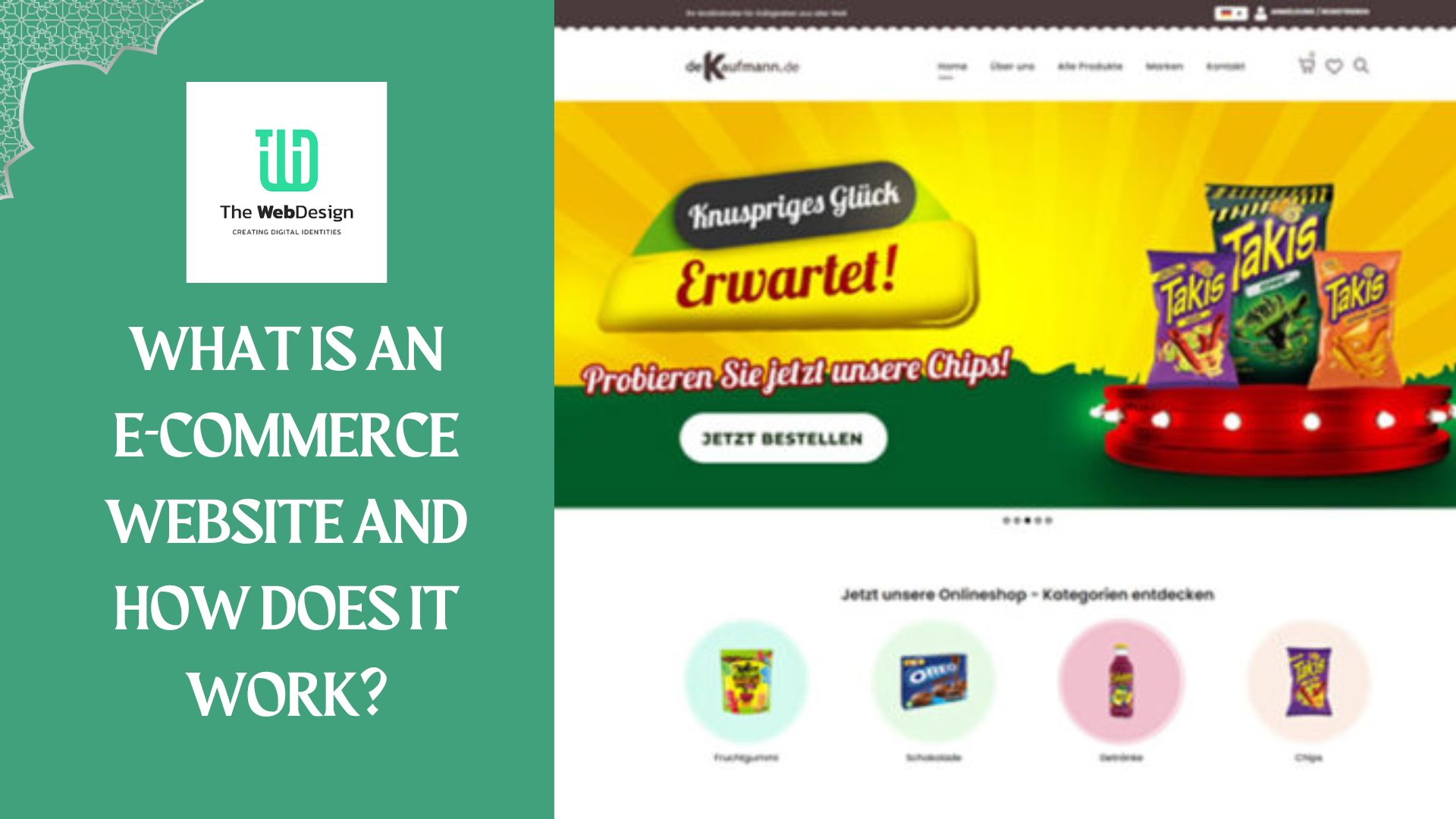
What is an E-commerce Website and How Does It Work?
TL;DR
An e-commerce website is an online store that allows customers to discover products, add them to a shopping cart, make secure payments, and receive order confirmations. Behind the scenes, it connects essential systems such as inventory management, payment processing, fulfilment, shipping, analytics, and customer support.
Unlike an informational website, an e-commerce platform actively manages sales and business operations. A successful online store needs intuitive navigation, mobile-friendly design, fast loading times, secure payment options, accurate stock information, a simple checkout process, and reliable front-end and back-end integration.
For businesses in Amsterdam, e-commerce provides opportunities to sell around the clock, reach customers beyond a physical location, automate routine processes, and use customer data to make better decisions. However, success also depends on strong SEO, GDPR compliance, security, scalability, logistics, returns management, and ongoing maintenance. Choosing the right platform and architecture from the beginning helps create an online store that supports customer satisfaction, operational efficiency, and sustainable business growth.
What Is an E-commerce Website?
How Can E-commerce Be Explained in Simple Terms?
An e-commerce website is an online platform through which a business sells products or services. Unlike an informational website that primarily presents company information, an online store supports the complete purchasing process. Customers can browse products, compare options, add items to a shopping cart, make secure payments, and receive order confirmation without visiting a physical store.
How Is an E-commerce Website Different From an Informational Website?
An informational website mainly explains who a business is and what it offers. An e-commerce website goes further by enabling customers to complete transactions online. It connects product management, marketing, payments, inventory, order processing, and customer communication within one system. This integration helps businesses automate routine processes, monitor performance, and provide a more convenient purchasing experience.
What Are the Most Common Types of E-commerce Websites?
- B2C (Business-to-Consumer): Online stores that sell products or services directly to individual consumers.
- B2B (Business-to-Business): Platforms designed for transactions between companies, including wholesale purchases, bulk orders, and business-specific pricing.
- D2C (Direct-to-Consumer): Online stores through which manufacturers or brands sell directly to customers without relying on traditional retailers or intermediaries.
- Marketplaces and standalone stores: A marketplace allows multiple sellers to offer products through one platform, while a standalone e-commerce website is operated by one business and provides greater control over branding, customer data, and the user experience.
How Does an E-commerce Website Work Step by Step?
Product Discovery and Browsing
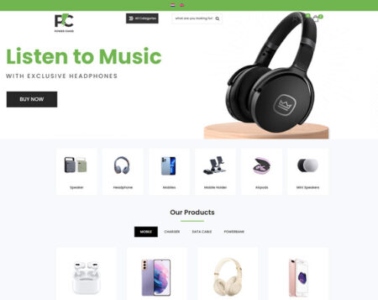
Customers discover products through categories, search functions, filters, recommendations, and product pages. Clear navigation helps shoppers find relevant products quickly, while detailed descriptions, high-quality images, transparent pricing, and visible calls to action support informed purchasing decisions.
Shopping Cart and Checkout Flow
After selecting products, customers add them to a digital shopping cart. They can review their selections, change quantities, remove products, apply discount codes, and view the total cost. A simple checkout process with minimal form fields, clear delivery information, transparent charges, and a complete order summary can reduce friction and cart abandonment.
Payment Processing and Order Confirmation
A payment gateway securely processes the customer’s transaction. Depending on the market and platform, payment options may include iDEAL, credit cards, bank transfers, PayPal, and digital wallets. After a successful payment, the website displays an order confirmation and usually sends a confirmation email containing the purchase details.
Order Management and Fulfilment
Upon purchase, the backend system updates stock and organizes for shipping or in-store collection while tracking delivery progress. Successful connection to inventory and logistics will guarantee precision stock counts, eliminate delays, and maintain high customer satisfaction rates.
What Components Does a Successful E-commerce Platform Need?
1. Frontend Experience (UI/UX)
A slick, easy-to-use interface makes browsing and revisiting a pleasure. The product pics are clean (if there’s any other way for a Bauhaus knockoff), and the descriptions are good; they also scale well on mobile views. With mobile shopping being so widespread in Amsterdam, you'd better make sure you have a responsive design and sharp UI/UX.
2. Backend Systems and Integrations
Backend systems are seamlessly integrated with inventory, orders, customer data, and reporting. As well as integrating with your customer management tools, business operations systems, and payment solutions, this really streamlines things and provides you with actionable data for smart business decisions.
3. Security and Data Protection
SSL certificates, secure payment processing, and a policy for privacy grow trust. Securing customer data is also important, and especially so in a city like Amsterdam, where users care about their data.
4. Performance and Scalability
Pages that load fast, a high degree of uptime, and an ability to handle traffic spikes are table stakes. Scalability - An e-commerce platform that scales with you so you don't regularly need to redesign.
Ready to Build a Powerful B2B Webshop?
Simplify bulk ordering, customer-specific pricing, inventory management, and repeat purchases with a scalable B2B webshop tailored to your business.
Request a Free ConsultationE-commerce Website Models Commonly Used in Amsterdam
Local Retail and Service-Based Ecommerce
Many Amsterdam stores offer both online ordering and physical locations. Customers have the option to order online and then pick up in-store, so with that being said, you need an integration between offline and online operations.
International E-commerce from Amsterdam
Amsterdam companies often trade with international customers. Other e-commerce platforms make it possible to sell abroad, with adjustments for currency, language, and shipping included.
Subscription-Based and Repeat-Order Models
Subscription-based products and automatic reorder services are already popular in food, wellness, and lifestyle categories. These models ensure predictable revenue and greater customer retention.
Benefits of an E-commerce Website for Modern Businesses
1. Expanded Reach Beyond Physical Locations
E-commerce transcends the limitations of physical geography, placing customers at your doorstep even if they are on another continent. A properly designed online shop can help local brands reach a national or international audience without breaking the bank on opening new stores. This long reach comes with the boon of increased exposure and brand awareness and can open up another revenue stream free from opening hours or a need for bricks and mortar.
2. 24/7 Sales and Customer Access
Your customers can shop, compare, and order your products whenever they like because the store never closes when it’s online. This uninterrupted availability puts more sales potential into the net by adding demand as it happens. For customers, this is a win-win, while businesses get the ability to earn revenue beyond the traditional workday.
3. Better Insights Through Data and Analytics
E-commerce platforms offer plenty of useful information on the way users use products and content. By monitoring browsing behaviour, purchasing habits, and consumer preferences, businesses are able to learn what makes people convert. These findings help inform pricing, product, marketing, and user experience decisions.
4. Improved Operational Efficiency
Automation is the heart of every optimization in the e-commerce business. Automated systems track payments, stock changes, order acknowledgments, and customer communication with very little human interaction. This decreases human errors, trims costs, and gives teams more time to think strategically, grow their businesses, and serve customers instead of mindlessly administering systems.

Key Challenges of Running an E-commerce Website in Amsterdam
High Competition and Visibility Pressure
In a digitally advanced market such as Amsterdam, the need for a strong presence is crucial. The quality of the content, structure, and SEO strategy needs to be matched for the website to show up well within the search results against a fierce level of competition.
Balancing Efficiency With User Experience
Behind the scenes, E-commerce platforms have to take care of business while providing a reassuring front. The necessity for speed, simplicity, and clarity of use persists throughout the whole customer journey.
Logistics, Returns, and Customer Support Management
Maximum convenience and availability of the logistics, plausibility of the return process, and responsive customer service constitute elements conducive to trust. Such operations have a direct impact on customer satisfaction and repeat purchases.
Security and System Maintenance
It is important for customer data to be protected and system reliability to be maintained, with timely updating and application of fixes. Staying up to date on systems minimizes exposure to cyber threats and service interruptions.
Managing Technical Complexity Without Compromising Simplicity
Great features should enable better use while not creating friction. Opacity in complex designs can decrease performance and, if not designed properly, bring confusion to users.
Mobile Performance and Speed Optimization
You need mobile-friendly, quick load times. Even a few fractions of a second make the difference between whether your visitor stays around or leaves, and if they take that action you desire once they are on your site.
Integrated Front-End and Back-End Systems
Tight integration between front-end and back-end designs is critical for keeping the inventory up to date, sales smooth, and orders accurate, while remaining friendly and clear to non-specialist end users.
Why Work With an E-commerce Development Agency in Amsterdam?
Working with an experienced e-commerce development agency in Amsterdam can help a business create a platform suited to local customers, payment preferences, delivery requirements, and regulatory responsibilities. The agency should consider both the customer-facing experience and the operational systems required to manage products, payments, inventory, orders, and customer communication.
The WebDesign combines web design and development expertise to create e-commerce websites that are visually professional, mobile-friendly, and practical to manage. Depending on the project, the platform can include payment integration, inventory management, order processing, analytics, multilingual functionality, and connections with relevant business systems.
Choosing a local development partner can also make communication, planning, testing, and ongoing maintenance easier. Before selecting an agency, businesses should review its relevant project experience, development process, support options, pricing structure, and ability to provide evidence for any performance or customer-satisfaction claims.
What Makes an E-commerce Website Trustworthy
Trust is everything in an online store - it involves much more than slick designs; it's about inspiration, confidence, and trust within every single visitor. Clear business information is vital: showing where your company is located, how to contact you, and your policies makes it clear who you are and how a customer can reach you, which helps build trust from the off. Whether payments are secure is just as important as strong privacy practices. By implementing trustworthy payment gateways, securing transactions through SSL certificates, and following acts such as GDPR, customers are comfortable sharing their personal and financial details on these online shops, which increases trust in the purchase for them.
Good performance also includes consistently functioning websites - fast-loading pages, high uptime, and working navigation to avoid frustration and keep the customer engaged, thus lowering dropout rates and reducing the potential for lost sales. Last but not least, a user-focused design with accessibility features to make sure that whether a mobile user or a handicapped person is using your website, they can use it smoothly. Responsive layouts, foreseen navigation, clear and simple-to-click fonts, and a user-friendly product presentation lead to a place where the visitors don’t feel reluctant to spend money; hence, having return visits and long-term customer loyalty.
How E-commerce Websites Continue to Evolve
Mobile-First Shopping Behaviour
Amsterdam customers use their smartphones all the time; design must be responsive, and pages have to load lightning fast.
Personalization and Smart Product Suggestions
AI-recommended and personalized offers drive greater engagement and repeat purchases.
Faster Checkout and Simplified Buying Journeys
Smoothed carts, stored cards and fewer steps to complete an order increase sales.
Integration With Logistics and Customer Systems
Effortless order management: automated order updates, inventory syncing and CRM integration streamline operations and ensure customers are always kept in the loop.
FAQs
A simple website primarily shares information, while an online store enables product listings, secure payments, order processing, inventory management, and customer accounts. E-commerce platforms are built to support transactions, scalability, and ongoing operational management rather than just presentation.
Conclusion: Is an E-commerce Website Right for Your Business?
Creating an e-commerce platform goes well beyond merely transposing the products from a physical store into an online catalogue. An effective online store is more than an aggregation of technology - it is an information and management system that marries customers, inventory (including competitors’ sites), payments, shipping logistics, and help. All interactions - whether it is product information gathering, checkout and/or post-purchase communication - affect how the business is perceived and how efficiently it functions.
These basics are important to know even before development starts in order for companies to decide on structure, scaling, and technology. A clean-cut plan ensures the platform isn't overwhelmed by growth, is able to react to changes in people's ways of dealing with businesses, and survives day to day without regular tire-ups. Consolidating is making a frictionless experience for users and internal processes.
Strategic design for your website in Amsterdam. Building a website in Amsterdam is a process that greatly benefits from strategic thinking, which includes a well-thought-out organization of content, beautiful layouts, and brilliant digital functionalities. The businesses that prioritize usability, performance, and reliability from the outset build e-commerce platforms that are catalysts for long-term growth and repeatable good experiences for customers into perpetuity.
Ready to sell your products or services online? Explore our e-commerce development services and discover how The WebDesign can create a secure, scalable, and user-friendly webshop for your business.

Search
Categories
Recent Posts
- 20 Dec, 2024 Building Brand Loyalty: How Custom Mobile Apps Drive Business Success
- 17 Jan, 2025 Designing An Attractive and Truly User-Friendly Website!
- 23 Dec, 2024 Driving Sales Through Online Channels: Transforming Your Business with a Webshop
- 09 Sep, 2024 Enhancing Customer Engagement: The Business Benefits of Mobile App Development
- 23 Dec, 2024 Expanding Market Reach: The Strategic Value of an E-commerce Webshop
- 10 Mar, 2026 Google Review Card: NFC vs QR – What Works Better?
- 01 May, 2026 Google Tools for Websites: A Complete, Detailed Guide for Website Owners, Developers, and Marketers
- 09 Sep, 2024 Harnessing Professional Web Design: Elevating Your Business’s Online Presence
- 13 Jun, 2026 Headless CMS vs Traditional CMS: Which Should Your Business Choose?
- 09 Sep, 2024 How an Online Delivery System Empowers Business Operations
- 07 Aug, 2026 How can a Dutch company get cited in ChatGPT, Gemini, Perplexity, and Copilot answers?
- 18 Sep, 2026 How can I choose a reliable web development company in the Netherlands?
- 07 Sep, 2026 How do I improve local visibility in ChatGPT and Microsoft Copilot, not just Google Maps?
- 20 Jan, 2025 How To Build A Custom Website For Your Business?
- 31 Aug, 2026 How to Choose a Digital Marketing Agency in the Netherlands: Services, Costs and a Practical Checklist
- 20 Jan, 2025 How To Create A Professional Website For Building Online Presence?
- 02 Aug, 2024 How to Plan a Perfect Digital Market
- 25 Jun, 2026 How to Work With a Web Design Agency to Grow Your Online Presence?
- 23 Dec, 2024 Investing in Website Development: Enhancing Customer Engagement and Conversion Rates
- 23 Dec, 2024 Meeting Customer Expectations: The Competitive Edge of an Online Delivery System
- 23 Dec, 2024 Optimizing Logistics: Enhancing Business Agility with an Online Delivery System
- 17 Jan, 2025 Optimizing Your Website with a Website Builder in Amsterdam
- 20 Jul, 2026 Progressive Web Apps (PWA) vs Native Apps
- 22 Apr, 2026 SEO vs GEO: The Future of Search in the Age of AI
- 03 Apr, 2026 The 10 Biggest Mistakes When Building a Website – and How to Avoid Them
- 27 Dec, 2025 The Cost of Getting a Website Made: What You Can Expect in the Netherlands?
- 09 Sep, 2024 The Essential Role of Online Marketing for Businesses
- 20 Dec, 2024 The Power of Digital Storytelling: Leveraging Online Marketing to Connect with Customers
- 23 Dec, 2024 The Strategic Advantage of a Well-Designed Website for Business Growth
- 23 Dec, 2024 Unlocking Market Potential: How Strategic Digital Marketing Propels Business Success
- 09 Sep, 2024 Unlocking Revenue Streams: Establishing an Online Webshop for Your Business
- 06 Jul, 2026 Web Performance Optimisation: Core Web Vitals
- 03 Aug, 2026 What is an E-commerce Website and How Does It Work?
- 27 Mar, 2026 What is sitemap.xml and Why Is It Important for SEO?
- 15 Apr, 2026 What Is the Difference Between Shopify and WordPress?
- 15 Jan, 2026 What Makes a Website Design User-Friendly?
- 30 Jul, 2026 What’s Allowed/Not Allowed With Google Reviews?
- 21 Mar, 2026 What’s Involved in Having a Website Created: A Step – by – Step Guide
- 27 Feb, 2026 What’s Involved in Having a Website Created: A Step-by-Step Guide
- 21 Jan, 2025 Why Consider WordPress for Website Builder?
- 21 Jan, 2025 Why Do Businesses Hire WordPress Website Builder Companies?
- 20 Jan, 2025 Why Does Your Business Need a Local Web Design Agency?
- 12 Aug, 2026 Why Is My WordPress Website Slow and How Can I Fix It?
- 11 Dec, 2025 Why You Should Have a Professional Website Built in 2026: What’s Changing?