

What’s Involved in Having a Website Created: A Step-by-Step Guide
.......................For many people, when they want to know more about a business, they go online first. It’s a place where curiosity becomes interest, and it’s the point at which a brand starts to earn trust. For many businesses, the website is their most potent marketing tool, a digital representation that sums up a company’s values, expertise, and personality 24 hours a day. But to create one that works, simply dropping a few pages online won’t work; you need strategy, creativity, and an understanding of what your audience expects.
The most successful site is one that fuses creativity, technology, and storytelling into a single, cohesive experience. It’s not just about how it looks, or for that matter, works - it’s about the way it makes people feel. The aim is to create a digital home that excellently represents your brand and connects with visitors in a way that feels effortless and leaves them returning time and again.
Tapping into our years of web design experience and a passion for great website development, we've realized that the best websites don't just happen; they are built on strategy, knowledge, and an eye for detail. This all-inclusive guide walks you through everything you need to consider when it's time to have a website created - from planning and design, through launch and beyond - so that you can make informed decisions at every step of the journey with confidence.
You’ll master transitioning from idea to launch, find out the key decisions that set up the success of your site, and learn how to keep it healthy and performing well over time. Let’s rewind: understanding what getting a website created truly entails.
What Does “Having a Website Created” Mean?
When you hire someone to make your website, you’re not just hiring someone to design pages: You’re laying the groundwork for the digital presence of your business. It’s the act of transforming your brand’s story, values, and vision into an interactive online experience that engages people.
Building a website takes focus to guide your project through the process, from ideation and goal setting to design, development, and maintainability over time. It’s a process of careful consideration that transforms an initial idea into a living, breathing, and engaging web presence.

For lots of business owners, turning over the website job to professionals is not just a matter of time - it’s smart. While a DIY site might appear to be the most cost-effective at first glance, it can often mean compromising on design, performance, or security. Seasoned professionals understand the perfect balance between creativity and technical accuracy to make sure your website not only looks great, but also operates smoothly and drives your business objectives.
The true benefit is in knowledge. It takes a professional to know how user experience, SEO, and brand storytelling intersect. When you have a professional website built, you aren’t paying for pages - you’re paying for returns.
Step-by-Step Process of Having a Website Created
Every great website begins with a plan. Below is a clear roadmap of what typically happens when you have a website created by a professional team.
Step 1: Strategy & Planning
A successful Website is built on strategy. Before a designer even thinks about their tools or a developer jots down code, the business goals should be in black and white.
Begin by determining the purpose of your website. So what do you need to do here? Do you want to: Generate leads, sell products, show some of your previous work, or build up authority within your niche? Every one of these goals requires a feature, an approach, and the logic to be different.
Next, identify your target audience. Understanding who you are communicating with drives everything - from the format to the tone of your content. Take some time to research your competition and identify their strengths and weaknesses. Stand out with a unique brand story and look.
This step also encompasses the incorporation of your branding and digital strategy. For organizations built on graphic design, this is where creative meets clear - where the brand shows a return on investment.
The strategy and planning phase is what makes your website have direction, purpose, and personality before even starting to build anything.

Step 2: Structure & Sitemap
After you’ve planned your goals, design a flow that leads users naturally through your content. It does this with a sitemap - a visual guide to how your pages are structured.
By having a sound website structure, you can rev up both user experience and search engine optimization. It should be easy for your visitors to find what they’re looking for, with minimal clicking around, and search engines should understand the organization of your website easily.
Typical pages include:
- Homepage
- Services or Products
- About Us
- Contact Page
- Blog or Insights
- Testimonials or Portfolio
You may want to include landing pages, booking systems, or resource hubs, depending on what you do.
A good sitemap is not simply technical; it’s strategic. This provides a logical path for users to go from curious to motivated and take action - the ultimate goal of your site. When you get a website built by the pros, they will map this all out to lead visitors through their experience instinctively.
Step 3: Design & Brand Identity
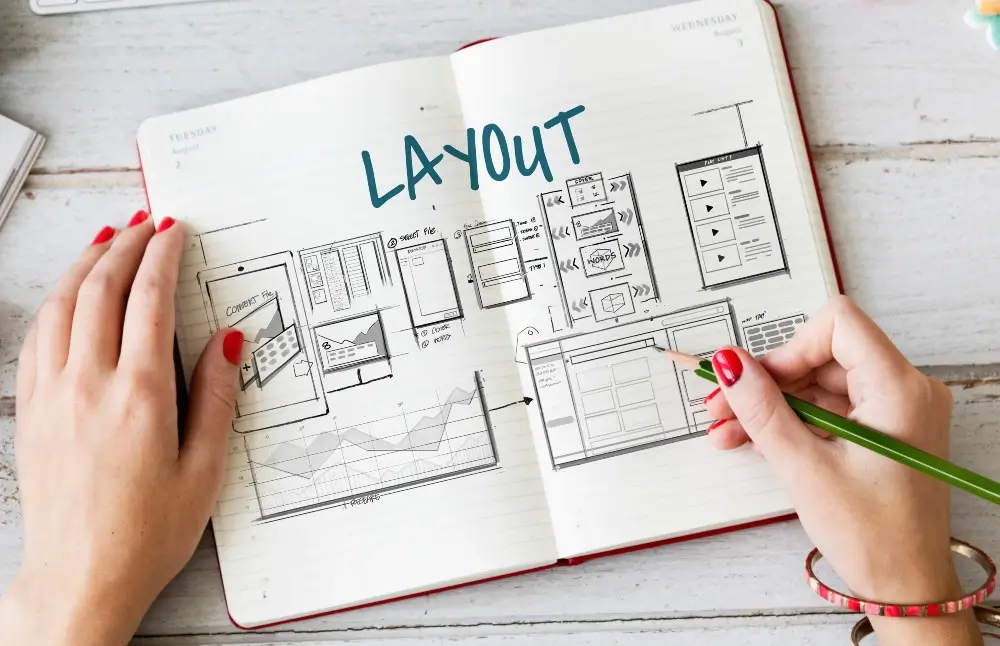
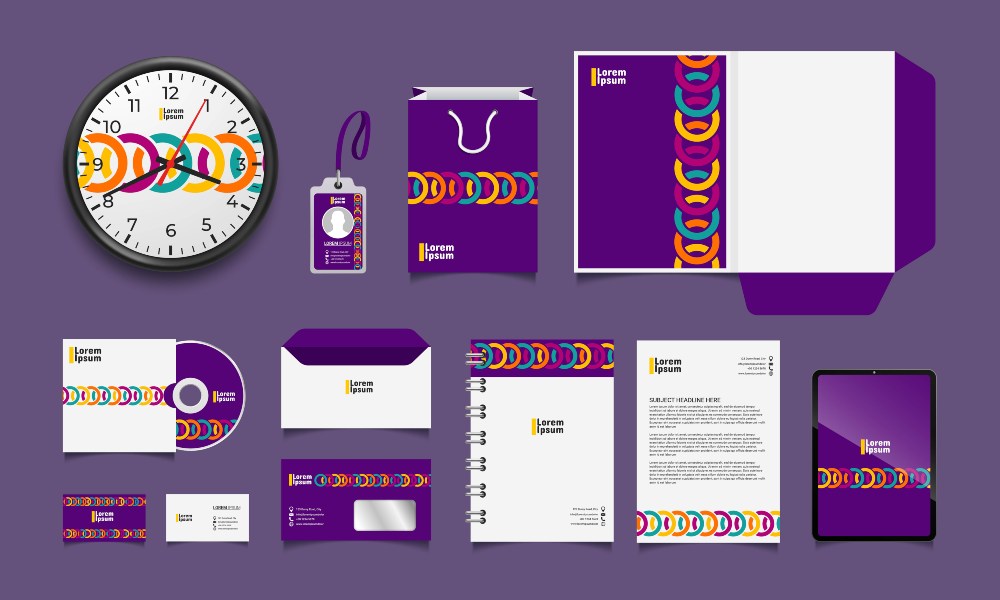
Here is where your website starts to come together visually. Design and brand identity elevate your business persona into a digital language that's memorable yet functional.
Design is not just something that makes things look good; it’s how a thing makes you feel. The colors, fonts, and layout you select fundamentally affect how individuals perceive and trust your brand. Great UI/UX tells a story before the first word is read. You can do the same here - and having a strong graphic design background gives you an extra layer of depth to your project, which in turn allows you to create visual balance, consistency, and emotion through every image or asset on the page.
Responsive design is non-negotiable. Your website should look & perform as good on a mobile device as it does on a "Desktop", User Experience (UX) is just as important.
User Experience is more than (just) visual - it means creating an intuitive, frictionless experience that leaves visitors both engaged and satisfied every click from the first to the last.
For every button press, submission, and swipe, the line of thought should be completely natural. A good site does not make people think, but flows.
When a pro builds your website, design is just as much of an ally for business as it is for aesthetics. It influences how people perceive the candidate, promotes engagement, and establishes trust before any words hit the screen.
Step 4: Content & Creation
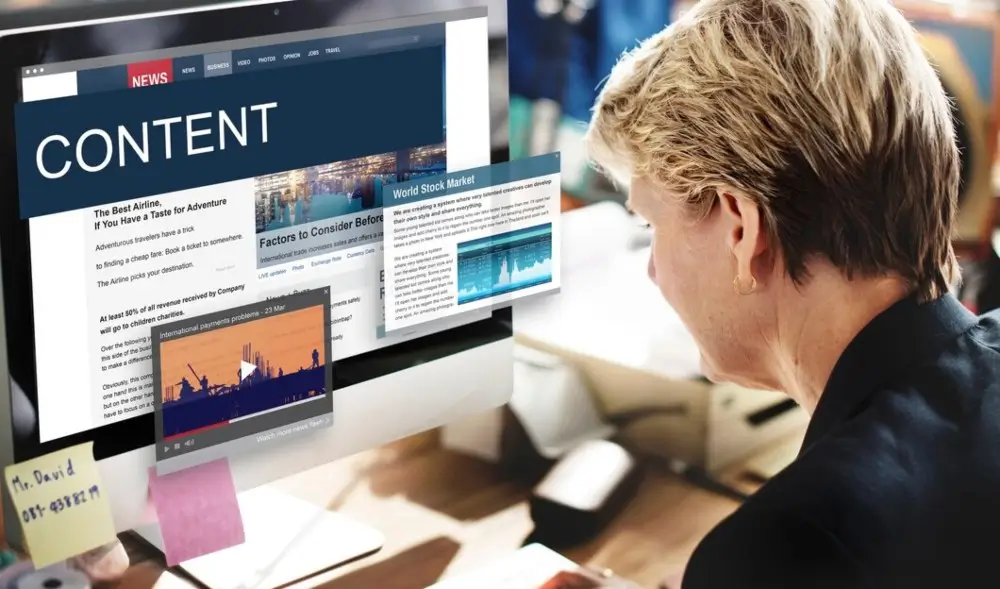
With the visual infrastructure in place, it is time to make it available for all users. Content is what makes your website worth visiting and having a life. It tells your story, earns trust, and converts visitors into clients.
Effective content covers:
- Clear and persuasive text
- High-quality images
- Storytelling videos or animations
- The sources also contribute with best practice cases, blogs, or resources
Your content must be optimised from the get-go for search engine optimization (SEO). All text must be crafted for humans. That includes naturally working in relevant keywords, creating compelling meta descriptions, and structuring headings so they are clear.
Tone and rhythm are key; you know this if you're a professional content provider. They know how to ensure every word represents your brand voice, while providing genuine information. Whether it’s formal or informal, heartfelt and goal-oriented content always gets the job done.
When you hire an agency to build it for you, they typically offer some sort of guidance or copywriting help to make sure the content is emotionally appealing and search engine-friendly.
Step 5: Technical Development & Platform Choice
This is where your content and design turn into a website that actually functions. The backbone of the whole project is the technical development phase.
The first decision is selecting the appropriate Platform or CMS(Content Management System). Popular options include:
- WordPress - flexible and SEO-friendly
- Laravel - built for flexibility, design freedom, and customization.
- Shopify - ideal for e-commerce
- HTML - perfect if you require something highly customized, detailed, or scalable.
Your agency will handle hosting, domain registration, and ensure your site is secure with SSL certificates. They'll be quick to load, which will also help your SEO and users.
As you go through development, everything is written in code. Contact forms, booking systems, payment gateways, and chatbots can easily be made a part of the system.
A professional-looking site must be built by professionals for the speed, stability, and security of the technical aspects to match the quality of design. The result will be a nimble, effective digital platform capable of swift growth.

Step 6: Testing & Optimization
A website needs supreme testing before it is uploaded. You test for every single detail, no matter how small, working just right on every device and browser.
The process includes:
- Checking links, buttons, and forms
- Check the page loading speed and the internet speed
- Preview responsive designs on various screen sizes
- Ensuring accessibility for all users
- Going over SEO technical elements such as schema markup and alt tags
Optimization is for optimization, not bugfixing. Small changes - say, decreasing image size or streamlining layout flow - can deliver tangible performance boosts. Too many people skip this step, and failure to do it will lead to broken links and an awful first impression.
Professionals take testing seriously. If you’re developing a website, you probably shouldn’t be shocked to see QA at the heart of it multiple times before it even goes live, because without precision, there is no perfection.

Step 7: Launch & Findability
Launching a website is an exciting milestone, but it’s really just the start of your online journey. A smooth launch takes careful planning, coordination, and technical preparation.
And even before you launch, there are certain things to do from the outset, such as making backups, setting up redirects, and installing analytics tools that will help prepare your site for operation on a day-to-day basis.
After your site is live, the conversation becomes about visibility: Can people find you? Leading SEO, clean business directory listings, and an optimized website act as a magnetic force that brings in traffic for you. Tools such as Google Search Console may help you track your site’s performance and catch any technical problems on time.
Preparation matters, but not more than promotion. It’s important to share your website through social media, newsletters, and ads.
Launching a website is not your finish line - it’s the place you go to start things for long-term growth. With the right approach and support from professionals in the industry, your website doesn’t have to fade into oblivion among countless others on the web, but can be something that gets noticed and remembered.

Step 8: Maintenance & Ongoing Development
After your website has gone live, regular upkeep of the site will help maintain its health and competitive edge. This is where many businesses fall short, assuming that once the work is done, it’s the end of the story. The fact is, a website needs attention - just like any other business asset.
Maintenance includes:
- Frequent CMS and plugin updates
- Frequent backups
- Security scans to prevent hacks
- Performance monitoring and bug fixes
- New content updates and SEO enhancements
You, on the other hand, are not a statue, and your business is changing all the time. Adding new features, extending content, or improving design will make sure it still suits your audience. A static website is rapidly obsolete; your well-maintained site remains relevant and trusted.
Professional agencies have ongoing maintenance that will take care of updating, securing, and making your site faster so you can grow.
Common Mistakes in the Process
Put simply, way too many businesses are being led by the seat of their pants when it comes to building (or redesigning) an effective website. Common errors include:
- Starting without a clear strategy
- Trends are fine and good, but don’t let them be the deciding factor for you.
- Ignoring SEO or mobile optimization
- Underestimating content quality
- Skipping regular maintenance
Any one of these mistakes can hurt performance, ranking, or authority. The scary thing is: you can actually avoid them - just prepare for this ahead of time when you are planning your website in a long-term, not short-term mind-state.
So, the statement of "A professional website will take acres off your risk" is exactly that. “All the SEO guys know it - every decision you make, like structure or hosting, that’s going to impact how successful your website is going to be.
Checklist for Entrepreneurs
Before you dive into your project, make sure you can check these off:
- Establish deadlines for realistic goals and then invest as much as you can afford
- Choose a good web agency or designer.
- Create a content and branding strategy
- Approve sitemap and design prototype.
- Test for responsiveness and SEO
- Schedule updates and maintenance
- Clarify ownership and contract terms
A structured checklist ensures your website creation process stays organized and transparent. It also helps avoid last-minute surprises or costly revisions.
Why Outsourcing to an Experienced Agency Pays Off
Leave your website in the hands of professionals who know how to get you results. A digital web design agency mixes creativity, design thinking, and technical expertise to create a website that will help grow your business.
A graphic design agency is uniquely poised to elevate the above combination - visual storytelling infused with technical know-how. They have a grasp of user psychology so that they make each design decision meaningful. They also handle complicated tasks such as hosting, SEO, and performance optimization, which means you can save time and headaches.
For small and medium-sized businesses, particularly those in competitive spaces, associating with a specialist team translates to greater productivity, faster outcomes, and better quality. More than simply creating a website, it’s about creating a platform that empowers your brand to succeed.
Frequently Asked Questions (FAQ)
Typically, professional websites take between 4 and 8 weeks, depending on the size of your project and how prepared you are with your content.
Conclusion & Next Step
Building a website is about more than following a bunch of technical steps; it’s a non-linear journey that connects how your brand lives online. Each step in the process, from early planning to travel to launch and then beyond, contributes to something far more enduring and valuable.
If you follow every step - strategy, structure, design, content, development, testing, and maintenance - you create a website that doesn’t merely look professional but serves with intention. The result? It’s a 24/7 online representation of your business that not only talks, but attracts and converts.
When you are ready to move on to design and build your brilliant idea, contact our team today. We can assist you with getting a stunning website that works and grows along with your business.

Search
Categories
Recent Posts
- 20 Dec, 2024 Building Brand Loyalty: How Custom Mobile Apps Drive Business Success
- 17 Jan, 2025 Designing An Attractive and Truly User-Friendly Website!
- 23 Dec, 2024 Driving Sales Through Online Channels: Transforming Your Business with a Webshop
- 09 Sep, 2024 Enhancing Customer Engagement: The Business Benefits of Mobile App Development
- 23 Dec, 2024 Expanding Market Reach: The Strategic Value of an E-commerce Webshop
- 10 Mar, 2026 Google Review Card: NFC vs QR – What Works Better?
- 01 May, 2026 Google Tools for Websites: A Complete, Detailed Guide for Website Owners, Developers, and Marketers
- 09 Sep, 2024 Harnessing Professional Web Design: Elevating Your Business’s Online Presence
- 13 Jun, 2026 Headless CMS vs Traditional CMS: Which Should Your Business Choose?
- 09 Sep, 2024 How an Online Delivery System Empowers Business Operations
- 07 Aug, 2026 How can a Dutch company get cited in ChatGPT, Gemini, Perplexity, and Copilot answers?
- 18 Sep, 2026 How can I choose a reliable web development company in the Netherlands?
- 07 Sep, 2026 How do I improve local visibility in ChatGPT and Microsoft Copilot, not just Google Maps?
- 20 Jan, 2025 How To Build A Custom Website For Your Business?
- 31 Aug, 2026 How to Choose a Digital Marketing Agency in the Netherlands: Services, Costs and a Practical Checklist
- 20 Jan, 2025 How To Create A Professional Website For Building Online Presence?
- 02 Aug, 2024 How to Plan a Perfect Digital Market
- 25 Jun, 2026 How to Work With a Web Design Agency to Grow Your Online Presence?
- 23 Dec, 2024 Investing in Website Development: Enhancing Customer Engagement and Conversion Rates
- 23 Dec, 2024 Meeting Customer Expectations: The Competitive Edge of an Online Delivery System
- 23 Dec, 2024 Optimizing Logistics: Enhancing Business Agility with an Online Delivery System
- 17 Jan, 2025 Optimizing Your Website with a Website Builder in Amsterdam
- 20 Jul, 2026 Progressive Web Apps (PWA) vs Native Apps
- 22 Apr, 2026 SEO vs GEO: The Future of Search in the Age of AI
- 03 Apr, 2026 The 10 Biggest Mistakes When Building a Website – and How to Avoid Them
- 27 Dec, 2025 The Cost of Getting a Website Made: What You Can Expect in the Netherlands?
- 09 Sep, 2024 The Essential Role of Online Marketing for Businesses
- 20 Dec, 2024 The Power of Digital Storytelling: Leveraging Online Marketing to Connect with Customers
- 23 Dec, 2024 The Strategic Advantage of a Well-Designed Website for Business Growth
- 23 Dec, 2024 Unlocking Market Potential: How Strategic Digital Marketing Propels Business Success
- 09 Sep, 2024 Unlocking Revenue Streams: Establishing an Online Webshop for Your Business
- 06 Jul, 2026 Web Performance Optimisation: Core Web Vitals
- 03 Aug, 2026 What is an E-commerce Website and How Does It Work?
- 27 Mar, 2026 What is sitemap.xml and Why Is It Important for SEO?
- 15 Apr, 2026 What Is the Difference Between Shopify and WordPress?
- 15 Jan, 2026 What Makes a Website Design User-Friendly?
- 30 Jul, 2026 What’s Allowed/Not Allowed With Google Reviews?
- 21 Mar, 2026 What’s Involved in Having a Website Created: A Step – by – Step Guide
- 27 Feb, 2026 What’s Involved in Having a Website Created: A Step-by-Step Guide
- 21 Jan, 2025 Why Consider WordPress for Website Builder?
- 21 Jan, 2025 Why Do Businesses Hire WordPress Website Builder Companies?
- 20 Jan, 2025 Why Does Your Business Need a Local Web Design Agency?
- 12 Aug, 2026 Why Is My WordPress Website Slow and How Can I Fix It?
- 11 Dec, 2025 Why You Should Have a Professional Website Built in 2026: What’s Changing?